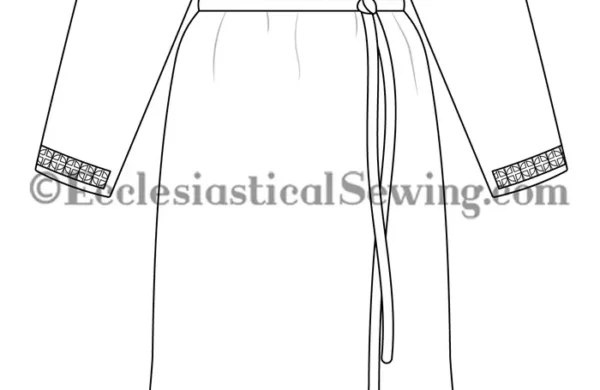
The Alb is worn over the cassock and amice. It has the traditional narrow shoulder yokes, narrow band collar, front opening, sleeves that taper at the wrist, and a full skirt with side godet inserts. The Alb sewing pattern also has apparel details at the sleeve edge and hem. The Vintage Linen Alb Sewing pattern will require between 5.5 and 6.5 yards of 60″ wide fabric. The Alb could be made with the white Carlisle fabric as well for those who require to wear it.
Like this:
Like Loading...
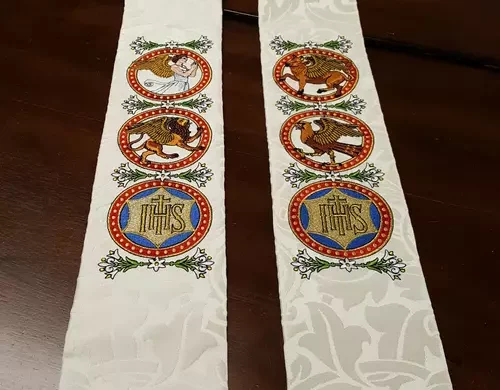
The Evangelist stoles have been termed by some as a “teaching stole.” Pastors and Priests have used the stole symbols as a way to teach about the four Evangelists – St. Matthew, St. Mark, St. Luke, and St. John. These symbols for the Evangelists date back centuries in their use to teach the faith.
Like this:
Like Loading...
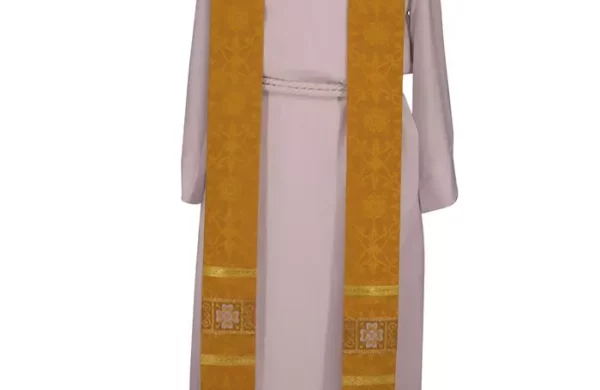
Ecclesiastical Sewing has Quick Ship Items ready for Easter! These stole collections, like Ely and Exeter, are in stock and easy to ship for last-minute needs. With brilliant gold and classic designs, they’re great for quick gifts or replacements.
Like this:
Like Loading...
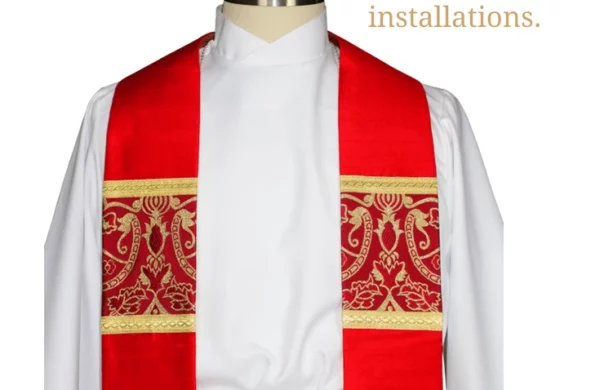
The ordination of a new pastor or priest usually involves a ceremony or special service. Many churches have a specific order of service to ordain new clergy. There is a special service to install them as the pastor or priest in their new church or parish. These are special times. And it is important to honor the calling of God’s Holy Ministers.
Like this:
Like Loading...
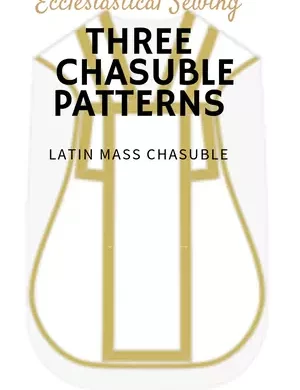
Ecclesiastical Sewing introduces three new Latin Mass Chasuble patterns, meeting requests for traditional vestments. With unique designs from vintage styles, each pattern offers distinct features, such as V-neck trim, a cross design on the back, and a set including chasuble, stole, and maniple. These patterns cater to priests and churches seeking beautiful and traditional worship attire.
Like this:
Like Loading...
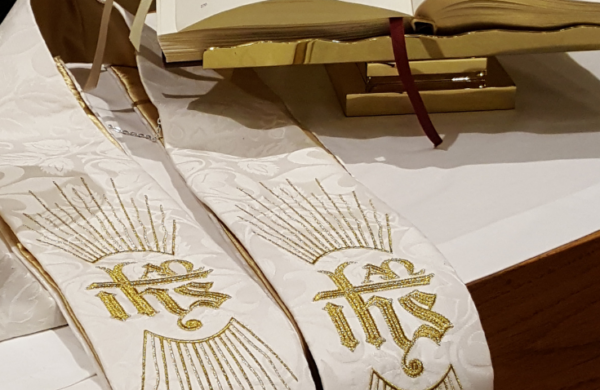
Dayspring is a Collection of Designs intended for use at both Christmas and Easter. Dayspring is a Messianic Prophecy that is fulfilled at the Resurrection. The Dayspring Church Vestment Collection incorporates the IHS Holy Monogram, the Chi Rho Symbols, Alpha and Omega, the Rising Sun, and the Glorious Cross. There are also Angels in adoration. The entire Ecclesiastical Sewing team is honored to have been a part of creating this new Dayspring Collection of Designs for use in your churches for the Christmas and Easter Seasons of the church year.
Like this:
Like Loading...
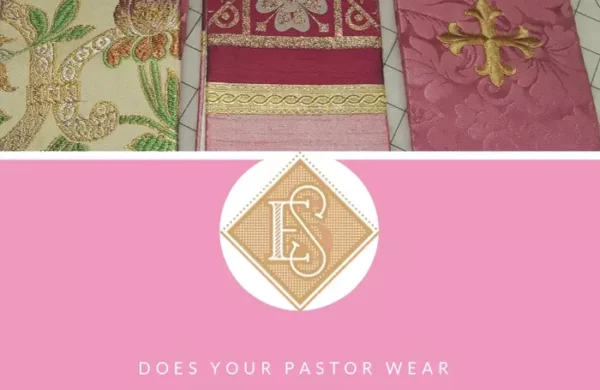
Rose vestments, used in penitential seasons like Advent and Lent, symbolize hope and joy amid our sinful state. Many churches adopt rose vestments, enhancing worship through visual cues and aiding the pastor’s teaching efforts. Embracing the Liturgical Arts helps engage diverse learners, fostering a deeper connection to the beauty of God’s creation and Word in the church.
Like this:
Like Loading...
Ecclesiastical Sewing’s new Advent Collection, “City of David,” is a culmination of over a year’s work. Liturgical artist Edward Riojas’ designs were transformed into beautiful stitches using a meticulous process of digitizing and embroidery. With the addition of new frames, the embroidery process became more efficient.
Like this:
Like Loading...
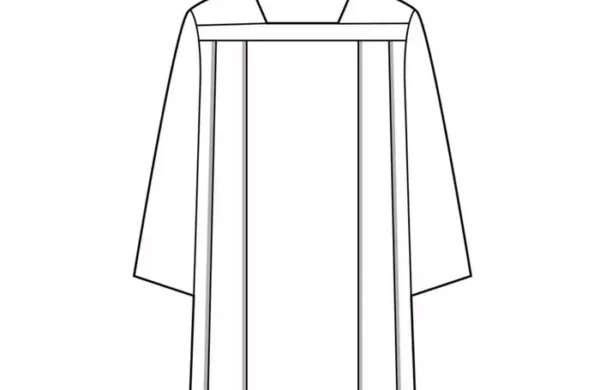
Ecclesiastical Sewing has introduced a fabric called Carlisle, named after a cathedral. It’s affordable, easy to care for, and versatile for making church vestments. It costs less than $25 per yard, is 60 inches wide, and made of 100% polyester. You can use it for various vestment patterns like the Roman Square Yoke Surplice. The Hunter Green Carlisle was used to make a beautiful chasuble with a tapestry orphrey band. It’s great for Albs and surplices, easy to wash, and practical for regular use.
Like this:
Like Loading...
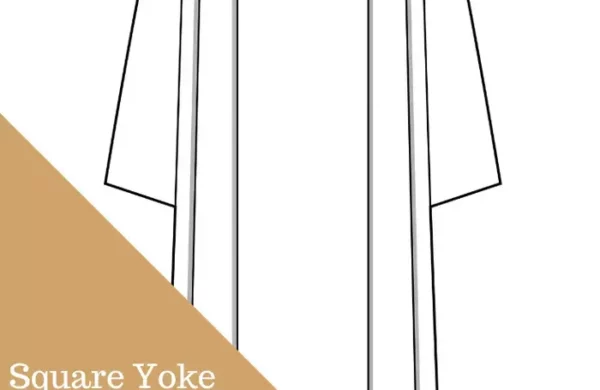
Ecclesiastical Sewing has expanded its offerings with multiple sizes for the Roman Square Yoke Surplice pattern, catering to various chest sizes from Youth Small to XXXL. This initiative aims to support churches in creating their own vestments.
Like this:
Like Loading...
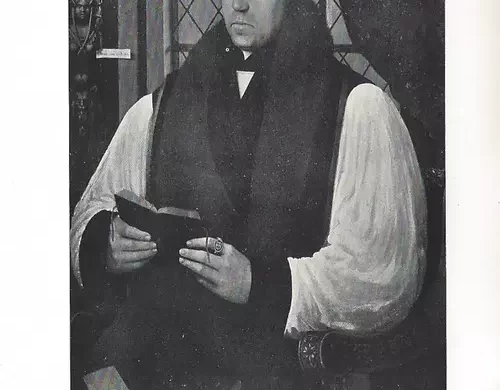
The tippet was originally a form of outdoor dress and it may have been fur-lined. Much of its history has been tied to academic use. Tippets have historically been made of silk fabric. The tippet is generally between 6″ to 10.5″ wide. The softer the fabric, the wider the tippet may be. The ends are usually finished with a plain simple hem. However, in the 19th century, the ends were finished with a zig-zag or pinked end.
Like this:
Like Loading...
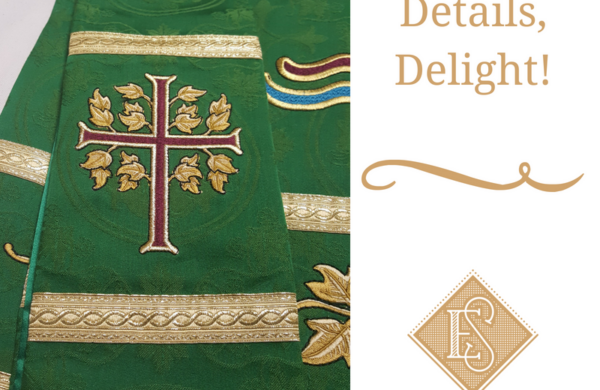
Ecclesiastical Sewing collection of embroidery designs. The designs were created by Edward Riojas, featuring the new Sanctified Collection of Church Vestments.
Like this:
Like Loading...
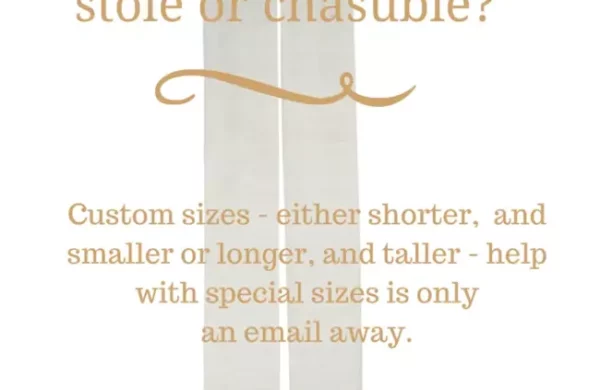
Pastors and priests come in all sizes from petite to very tall, with many variations in between. Our standard 4 1/2-inch wide clergy stole style is 53 inches long before adding any tassels or trims. The 53 inches is measured from the Center Back neckline to the bottom edge of the stole. The stole length is perfect fit for people who are approximately 5’6″ to 5’11” tall. The 51-inch clergy stole is designed for people who are 5’5″ tall or shorter. The 55-inch stole works well for people who are 6′ tall and over. There are many different stole styles, and the finished length of the stole will also vary based on the selected stole style.
Like this:
Like Loading...
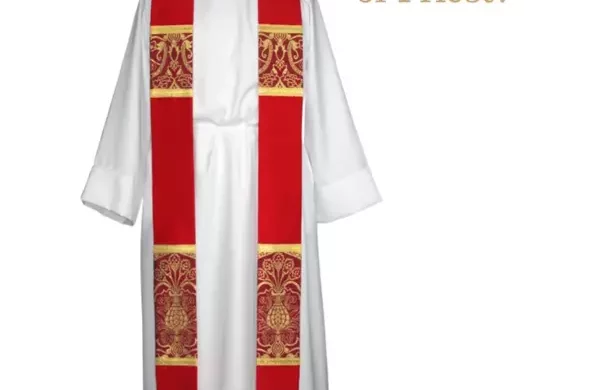
When a new pastor or priest joins a congregation, many churches have a special installation service. Many fellow clergy members join in this celebration to support the new pastor or priest with words from the Holy Scriptures and with the laying on of hands in prayer.
Like this:
Like Loading...
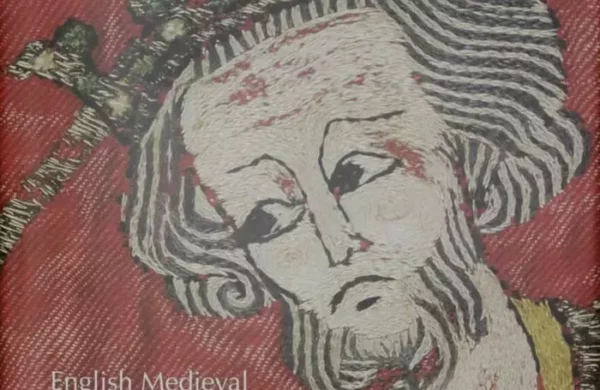
Opus Anglicanum: Medieval Embroidery. Historical embroidery and the restoration work at Hampton Court Palace.
Like this:
Like Loading...

You must be logged in to post a comment.